Onboard power · 10 min read · Updated 2026-09-03
Dual-battery systems for Australian trailer boats
One battery starts the outboard. The other runs the sounder, the lights and the fridge. The useful bit is the isolator that stops a three-hour session killing the start.
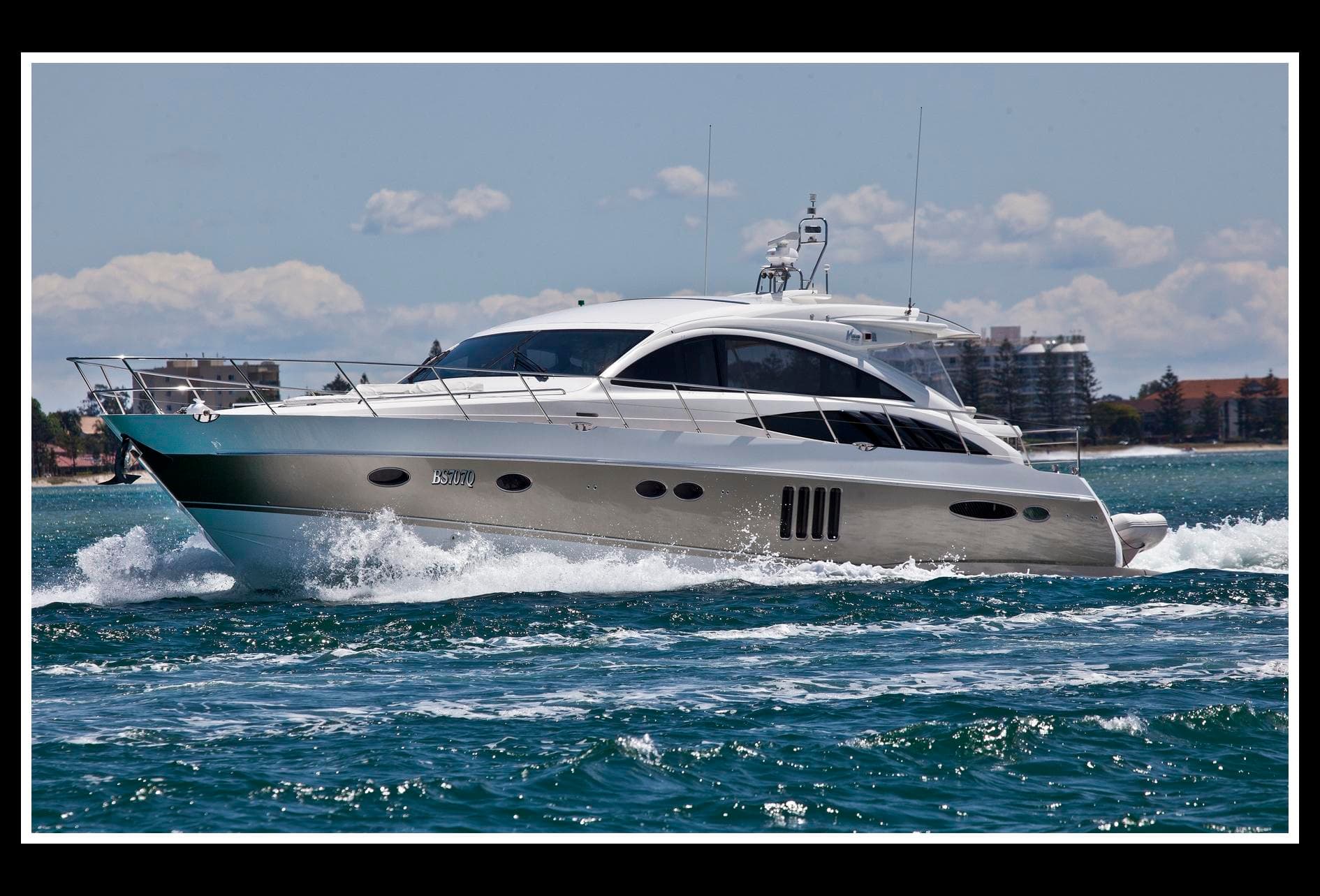
Photo: Pleasure Boat on Southport Broadwater by Sheba Also. Licensed under CC BY-SA 2.0. Source on Wikimedia Commons. Also listed on the AM Wholesale image credits page.
Most Australian trailer boats still leave the dealer with one cranking battery and a sounder. Three hours of LED lighting, a livewell pump and a 9-inch MFD later, the outboard clicks. Dual battery is the fix. It is not complicated. It is just rarely finished.
The jobs
- Start battery: high-current, lead (AGM or flooded), reserved for the motor and the trim.
- House battery: deep-cycle AGM or a small LiFePO4, reserved for electronics, lights, radio, fridge.
- Combiner: a VSR or a DC-DC charger that charges house from the alternator once the motor is running, and isolates it when the motor stops.
Emergency parallel is a switch you hope not to use, not a lifestyle.
VSR versus DC-DC
A VSR (voltage-sensitive relay) closes when it sees charging voltage and opens when it does not. It is cheap and fine for two lead batteries.
A DC-DC charger (Victron Orion-class and its peers) limits current, can talk lithium, and stops a lithium house from leaning on a small outboard alternator. Once you read lithium versus AGM, the DC-DC becomes the default.
Cable and fusing
Size for the charge current and for the emergency parallel, then fuse both ends of the run. A 6-metre tinny still deserves marine cable and proper lugs. The ramp will find the cheap crimp.
What not to put on the start battery
Plotters, radios, light bars, fridges, USB hubs. Those belong on house. The start battery may keep the motor’s electronics if the manufacturer says so. Everything else is how you recreate a single-battery boat with extra switches.
If the boat later grows an inverter or a serious sounder, you have already done the architecture. Step up to Victron systems and the electronics package planner when the hull grows with it.
Frequently asked questions
- Is a VSR enough, or do I need a DC-DC charger?
- A voltage-sensitive relay is enough for two lead batteries on a simple boat. Once the house side is lithium, or you want controlled current, a DC-DC charger is the grown-up isolator.
- Can the house battery be lithium if the start battery stays AGM?
- Yes. That hybrid is common and sensible. The DC-DC charger is what makes it polite to the alternator.
- Where should the batteries live on a trailer boat?
- Start battery near the motor’s world; house battery near the loads, both secured for a highway slam and a steep ramp. Not under a hatch that cooks them in Queensland sun without air.